What To Do In The Cotswolds

Whatever pace you set, the Cotswolds finds a way to fill it well.

The Cotswolds doesn't announce itself. It rewards the people who slow down, take the less obvious path, and stay longer than planned. These are the experiences worth building time around.

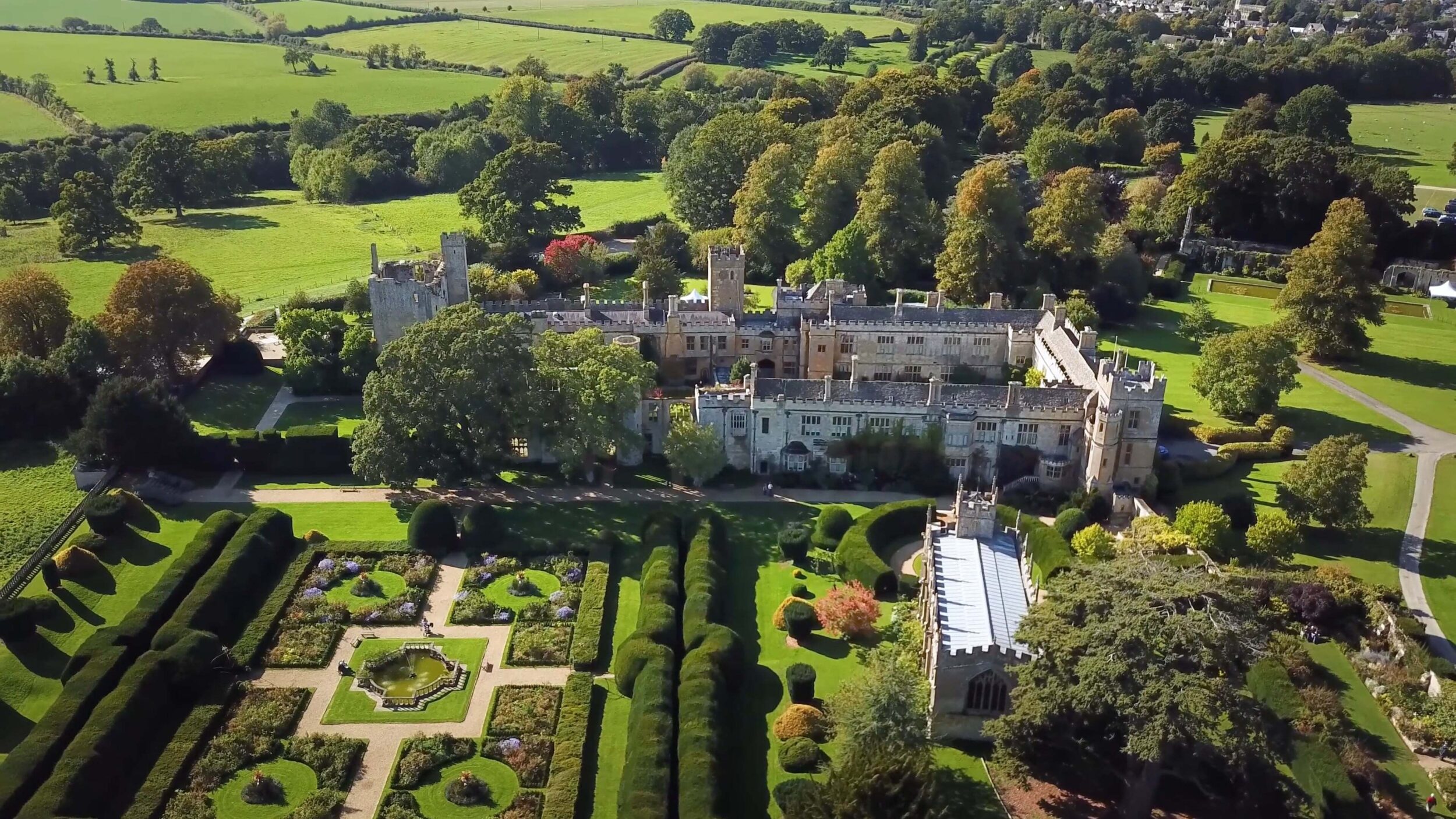
Snowshill Manor and Garden, historic houses in Snowshill
Historic££
Snowshill

Snowshill Manor and Garden

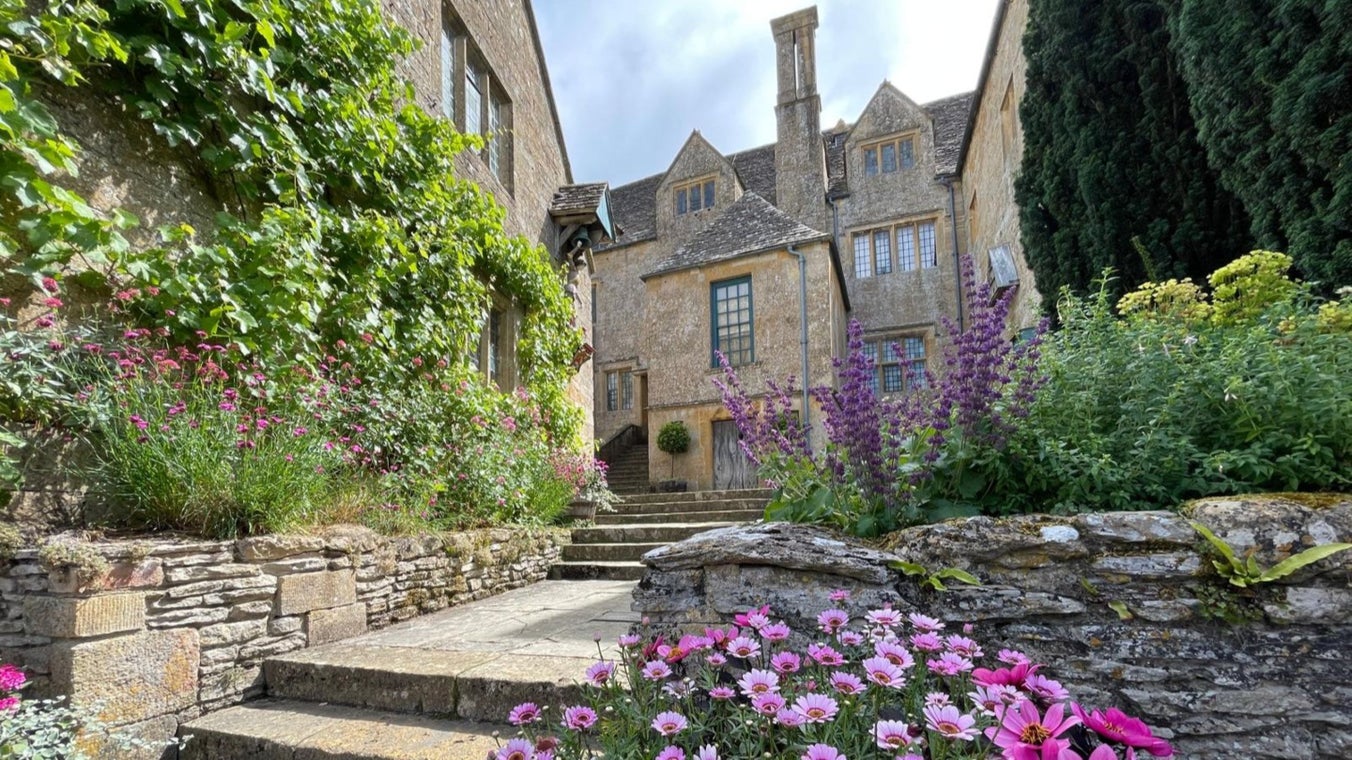
The eccentric former home of Charles Paget Wade, who spent decades collecting everything from samurai armour to mousetraps rather than furnishing the house the way anyone else would. It's a genuine 500-yard walk uphill from the car park to the garden, worth knowing if mobility's a factor, though a buggy runs between the two. Skip it with young children. There's little here to hold their attention room after room, and better to save the visit for when they're old enough to find the oddities interesting rather than boring.

Visit website
Days Out£
Stow-on-the-Wold

Market Square and the Market Cross

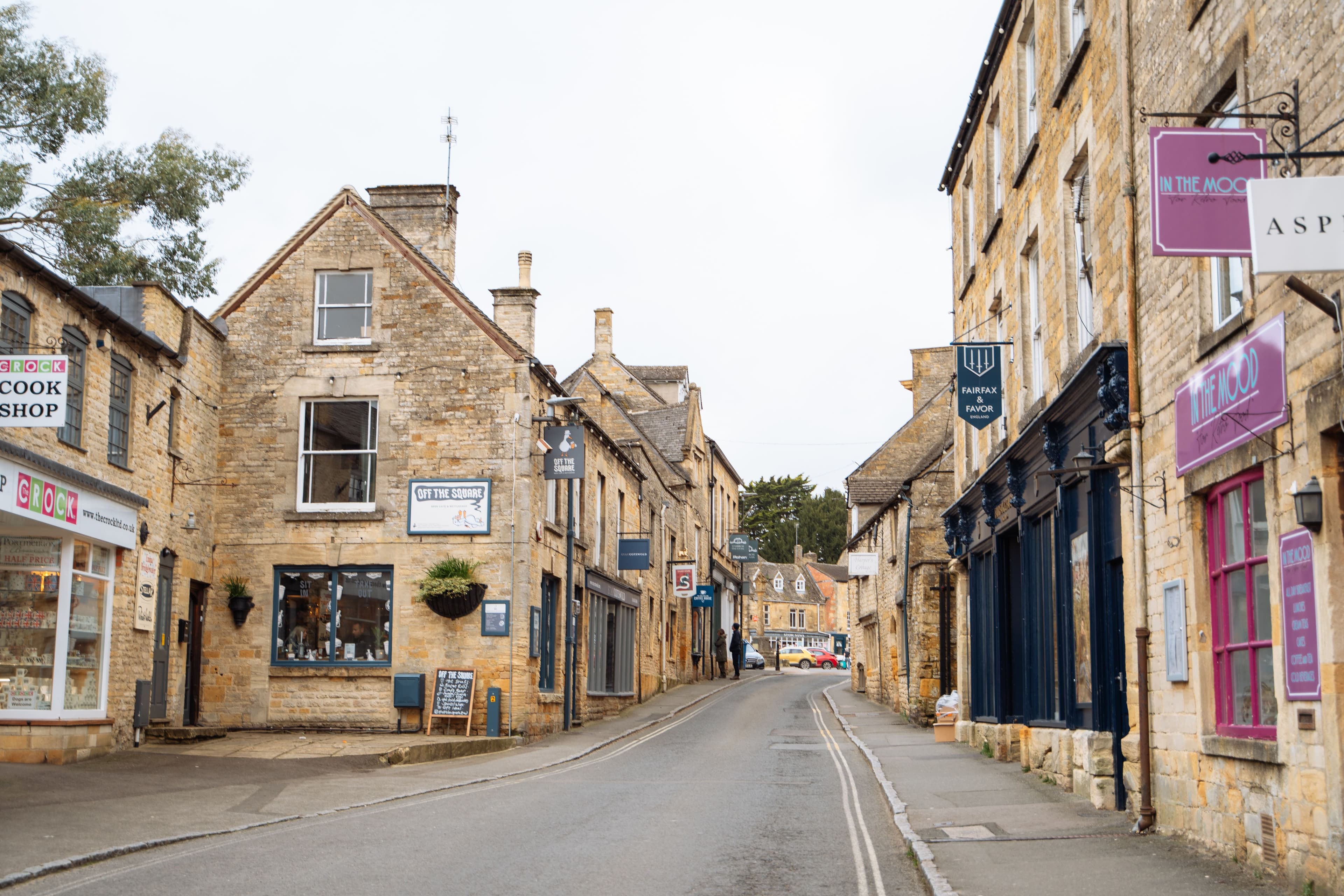
The historic heart of Stow, hosting markets since 1107 and sheep fairs where up to 20,000 animals changed hands in a day at the height of the wool trade. Now mostly antique shops and galleries around the edges, with a farmers market on the second Thursday of each month if you want to see the square doing something closer to its original job. The narrow alleys running off it, known locally as 'tures', were built to funnel sheep through single file.

Visit website
Historic£
Stow-on-the-Wold

St Edward's Church and the Tolkien Door

A 13th to 15th century church built on an earlier Saxon site, best known for its north door framed by two ancient yew trees. Local legend says it inspired Tolkien's Doors of Durin, though there's no confirmed evidence he ever referenced it directly. Inside, a memorial stone marks Captain Hastings Keyte, killed in the 1646 battle, and the church held over 1,000 Royalist prisoners overnight afterwards.

Visit website
Days Out£
Stow-on-the-Wold

The Battle of Stow-on-the-Wold Site

The last battle of the First English Civil War was fought here on 21 March 1646, ending Royalist resistance for good. A plaque on the Market Cross marks where the Royalist commander Sir Jacob Astley is said to have surrendered while sitting on a drum. The wider archaeological battlefield site sits half a mile north along the busy A424 and isn't safely walkable, so the plaque and the church memorial are the realistic way to see this on foot.

Visit website
Historic££
Broadway

Broadway Tower

A 65-foot Gothic folly at 312 metres, the second highest point on the Cotswold escarpment. Built in 1798 by Capability Brown, later used as a printing press, an artists' retreat by William Morris and the Pre-Raphaelites, and a Cold War nuclear monitoring station. Three floors of exhibitions and a rooftop platform with views across up to 16 counties. Walk up from the village via the Cotswold Way rather than driving if you can manage the gradient.

Visit website