
Restaurants£££
Kingham, Chipping NortonThe Wild Rabbit
One of the most talked-about restaurants in the Cotswolds. The open kitchen is the focus, the food is serious, and the stone inn setting does everything right.
.png&w=1080&q=75)
Serious food in seriously good surroundings.
The Cotswolds has quietly become one of England's most serious food destinations. Farm kitchens, Michelin-starred dining rooms, and village pubs that take both their sourcing and their cooking seriously. Bring an appetite.
One of the most talked-about restaurants in the Cotswolds. The open kitchen is the focus, the food is serious, and the stone inn setting does everything right.
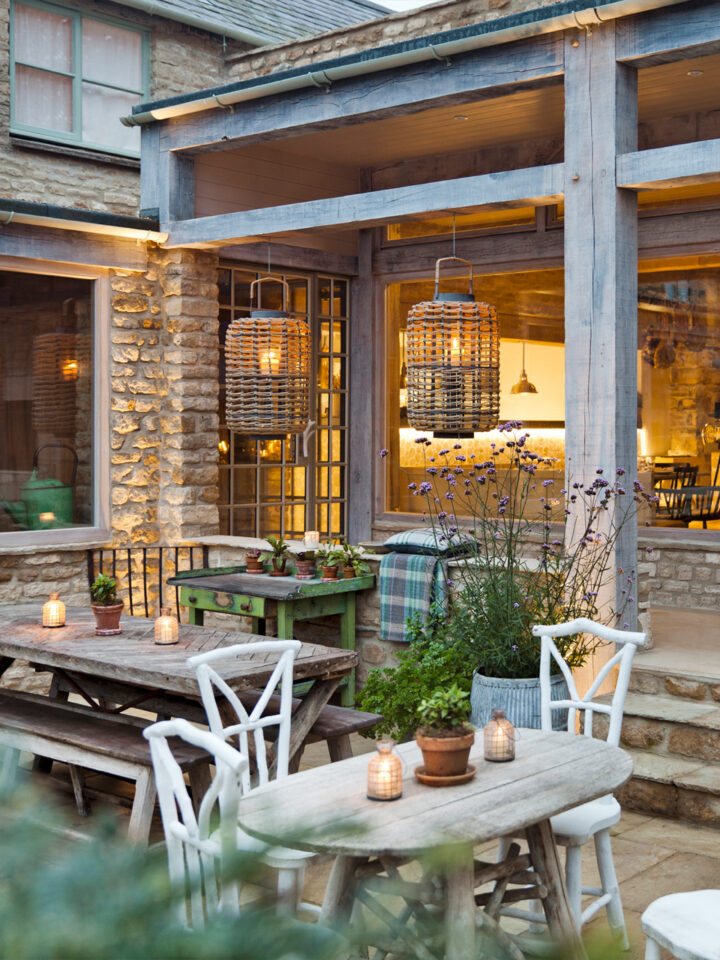
A coaching inn that takes its cooking seriously. Open-fire grilling, quality cuts, and interiors that feel considered rather than decorator-led.

Part farm shop, part café, part Cotswolds institution. Worth stopping for even if you only buy cheese. The stone barn setting is genuinely impressive.
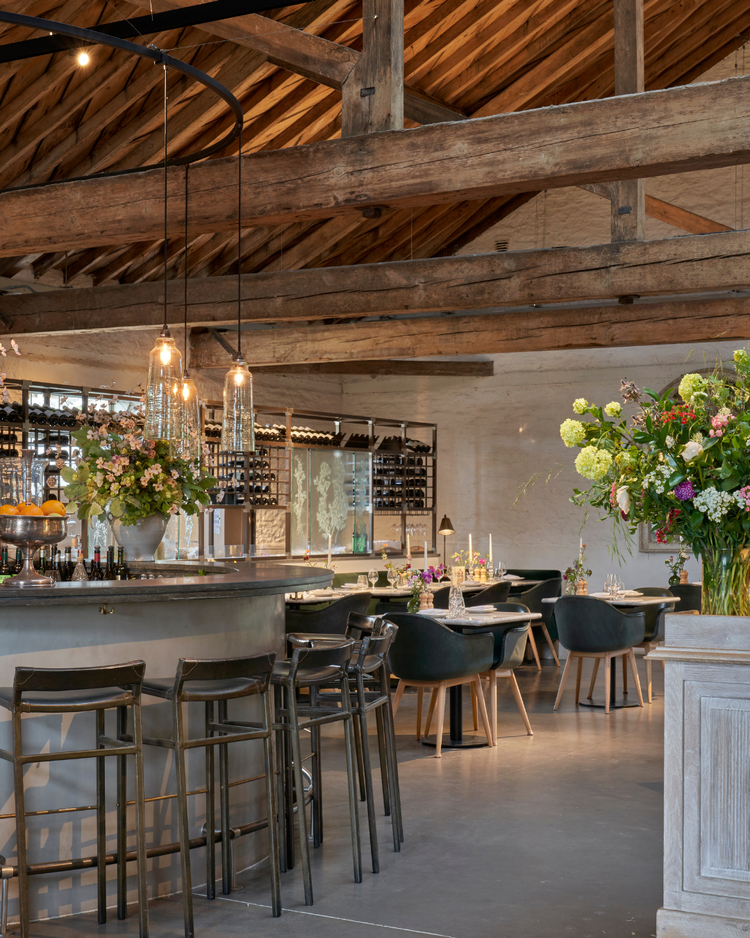
Dinner inside a 19th-century barn on the Thyme estate. The setting alone justifies the booking, and the food makes it worth coming back.
Perched on a ridge above the Evenlode Valley with views that stop conversation. The cooking has earned serious recognition and the location is hard to beat.
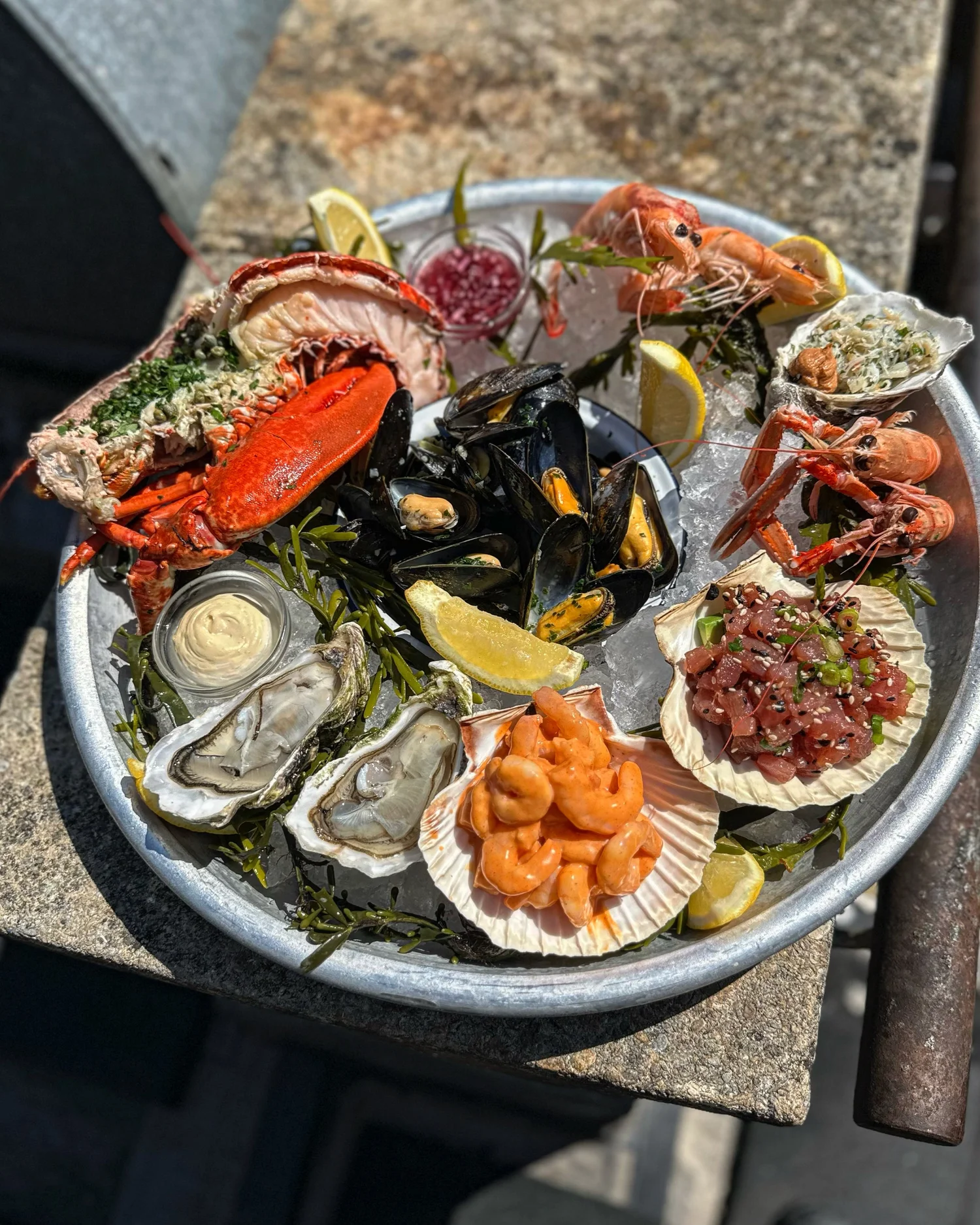
Known for wood-fired flatbreads done properly. Unpretentious setting, consistent quality, and the kind of pub food that makes you wish more pubs tried this hard.

A 17th-century manor beside the River Eye in Lower Slaughter. The restaurant leans contemporary inside a historic shell, an interesting combination that works.
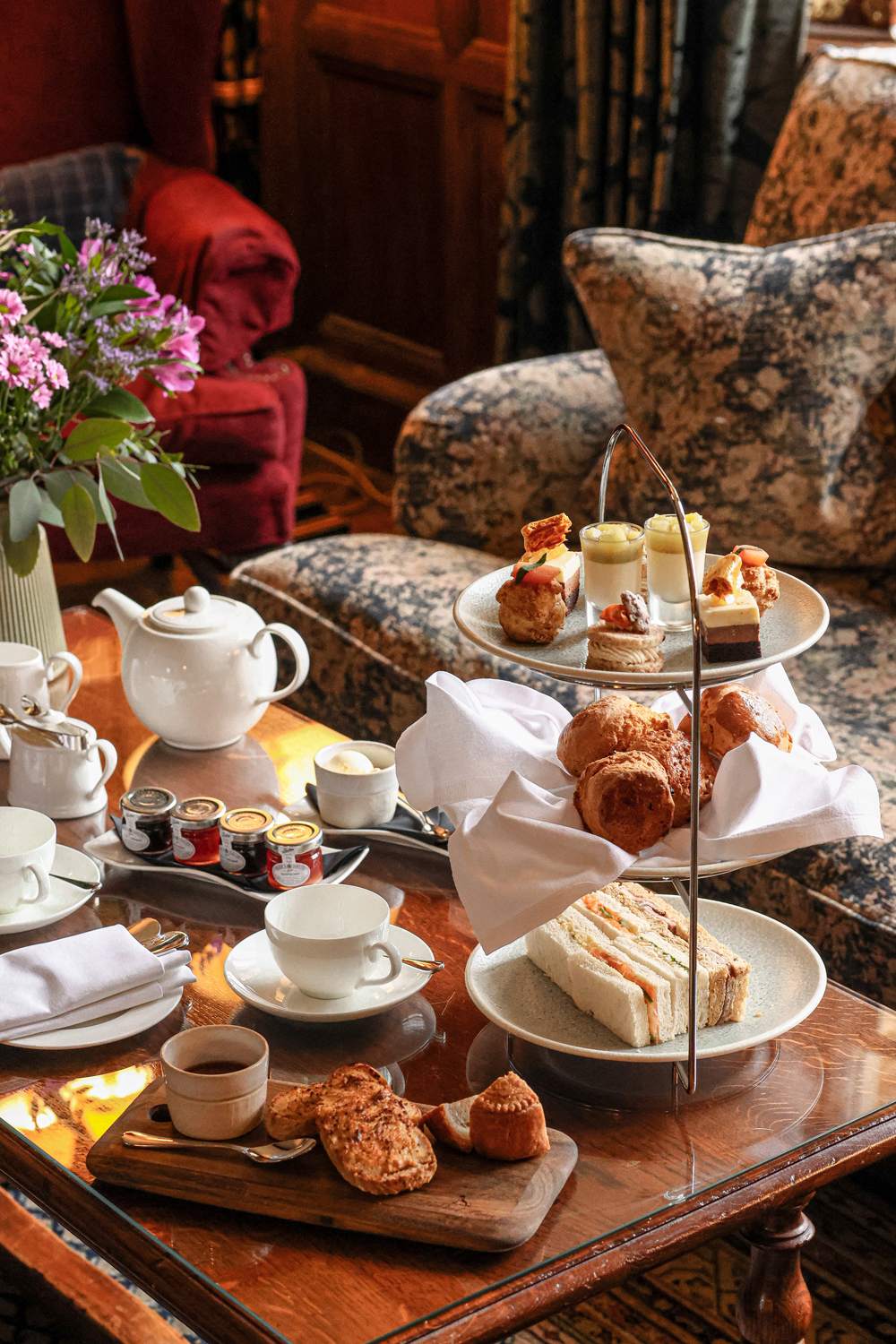
A 13th-century manor with ten acres of gardens and a dining room that takes produce seriously. One of the quieter options in the Broadway area.

A riverside pub with genuine history. The Mitford sisters drank here. Local game, the River Windrush outside the window, and none of the self-consciousness that ruins similar places.
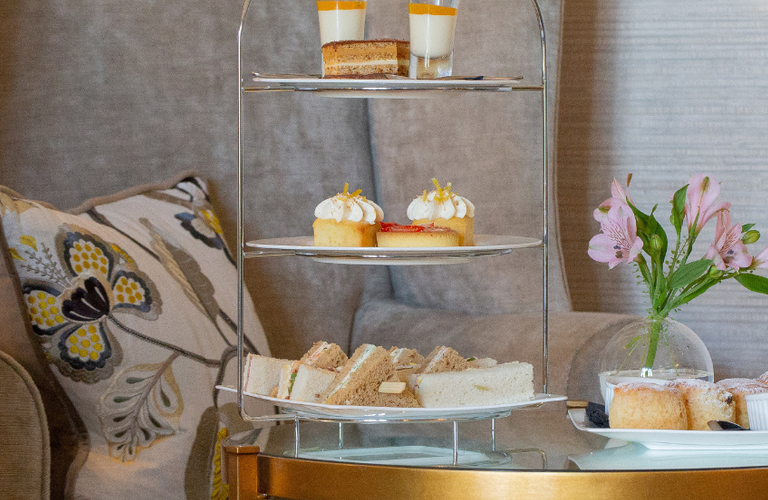
Traditional fine dining in Upper Slaughter, one of the region's most complete villages. Formal without being stiff, and the setting is as good as it gets.
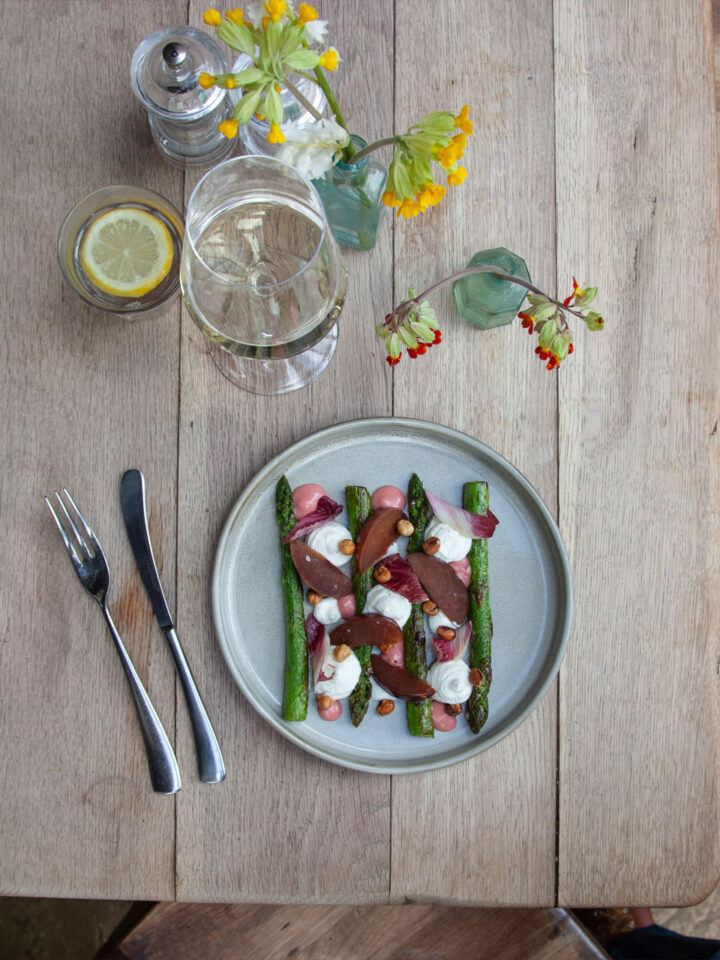
Flagstone floors, open fires, and organic pub food that has won awards. Ebrington is an overlooked village, and this pub is the reason to go.

On the village green in Kingham, with a kitchen that treats the local larder seriously. The balance between proper pub and serious food is harder to get right than it looks.

Laurie Lee's local in the Slad Valley. The view down the valley is reason enough, the food is better than you might expect, and it still feels like a real pub.

Dry-aged steaks and flagstone floors in a village pub that doesn't try too hard. The kind of place that gets quietly better every time you go.
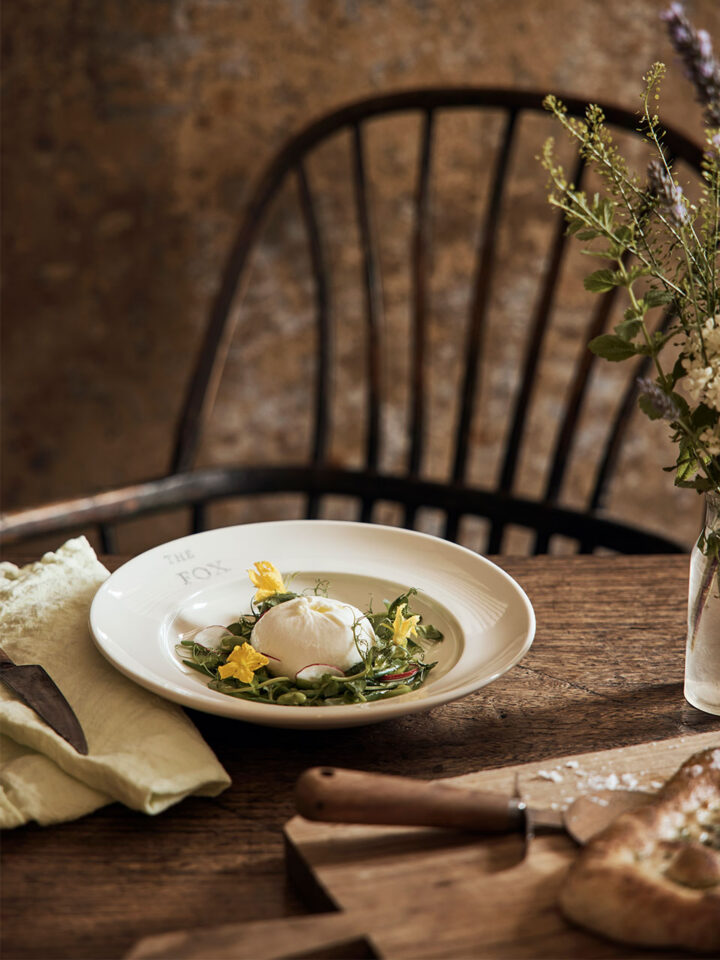
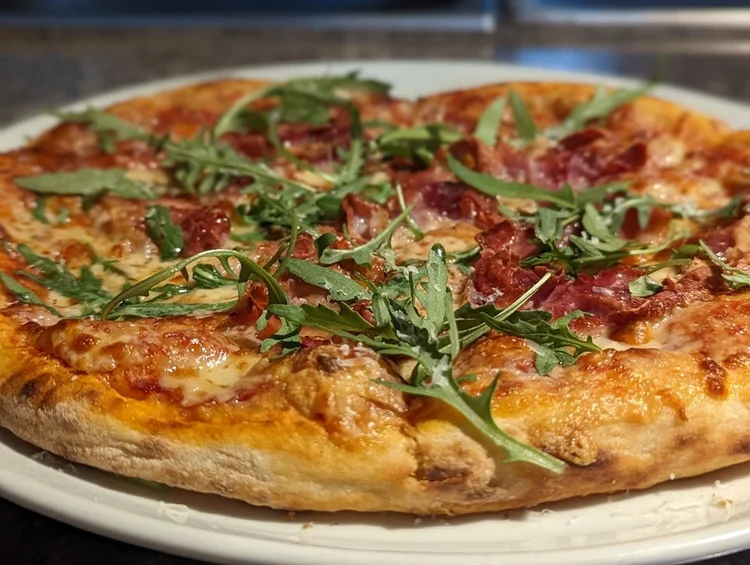
An eco-conscious pub in Lower Oddington serving organic game and sourdough pizzas. The combination sounds unlikely, but it works better than it should.
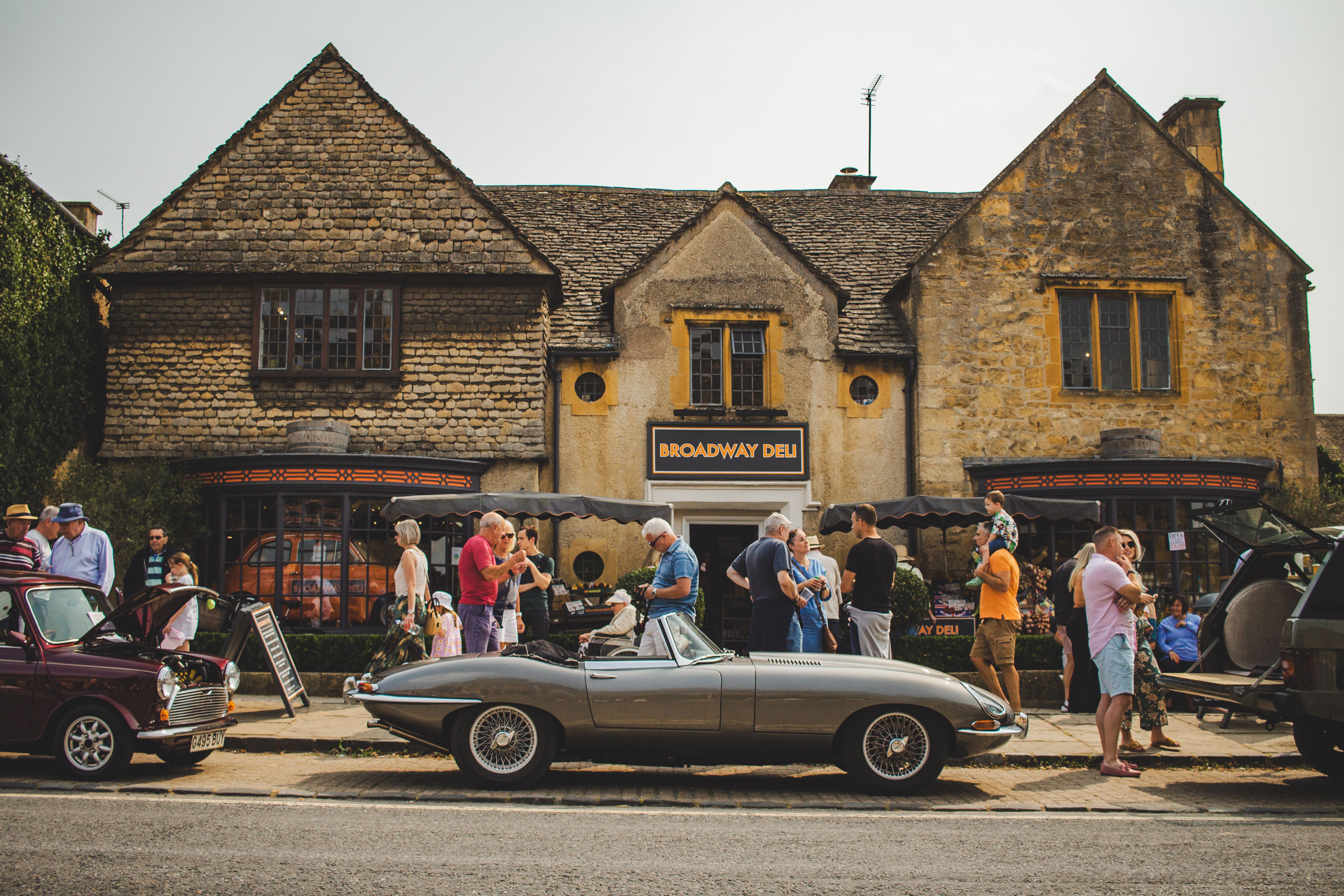
An independent deli and café on Broadway's high street with a courtyard garden that comes into its own in summer. Good for breakfast or lunch between villages.

Across the road from Barnsley House, sharing the same kitchen garden. Comfortable, reliable, and one of the better options in the Cirencester area.
A kitchen garden café on the Bathurst Estate. The setting inside Cirencester Park is the draw. The food follows the seasons and rarely disappoints.
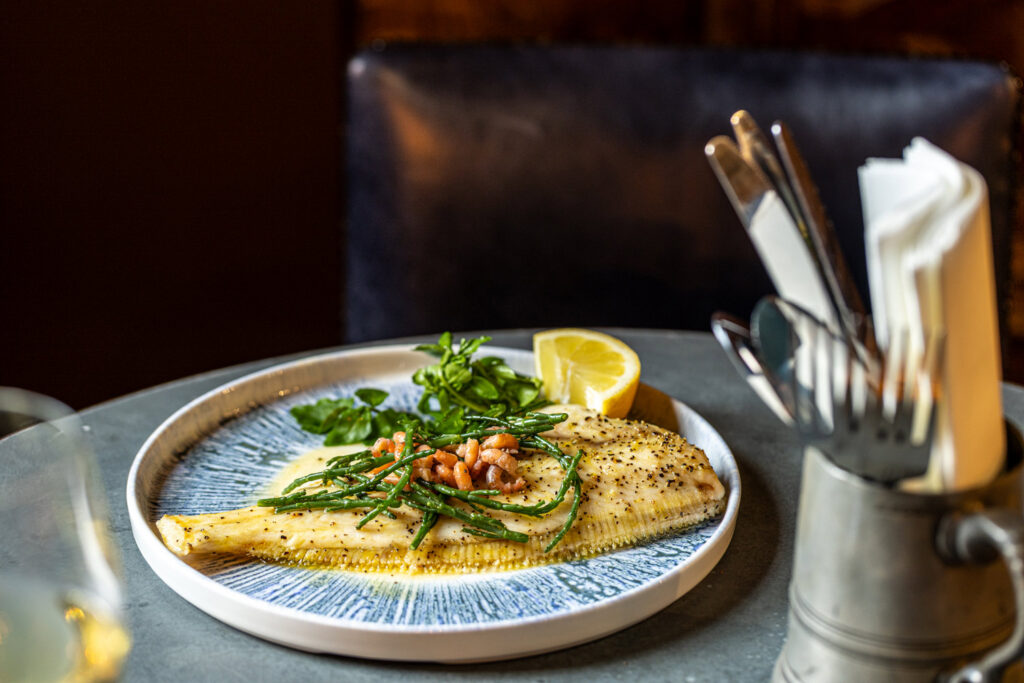
A riverside pub in North Cerney with an organic certification and a menu built around small plates. Quieter than most and worth seeking out.

Reputedly England's oldest inn, dating back to 947 AD. Old low-timber beams sit alongside a genuinely ambitious modern British menu, an odd combination that somehow works in Stow-on-the-Wold.

Perched high on a steep hillside in an unspoilt stone village, with classic pub food and valley views that are hard to beat anywhere else in the Cotswolds.
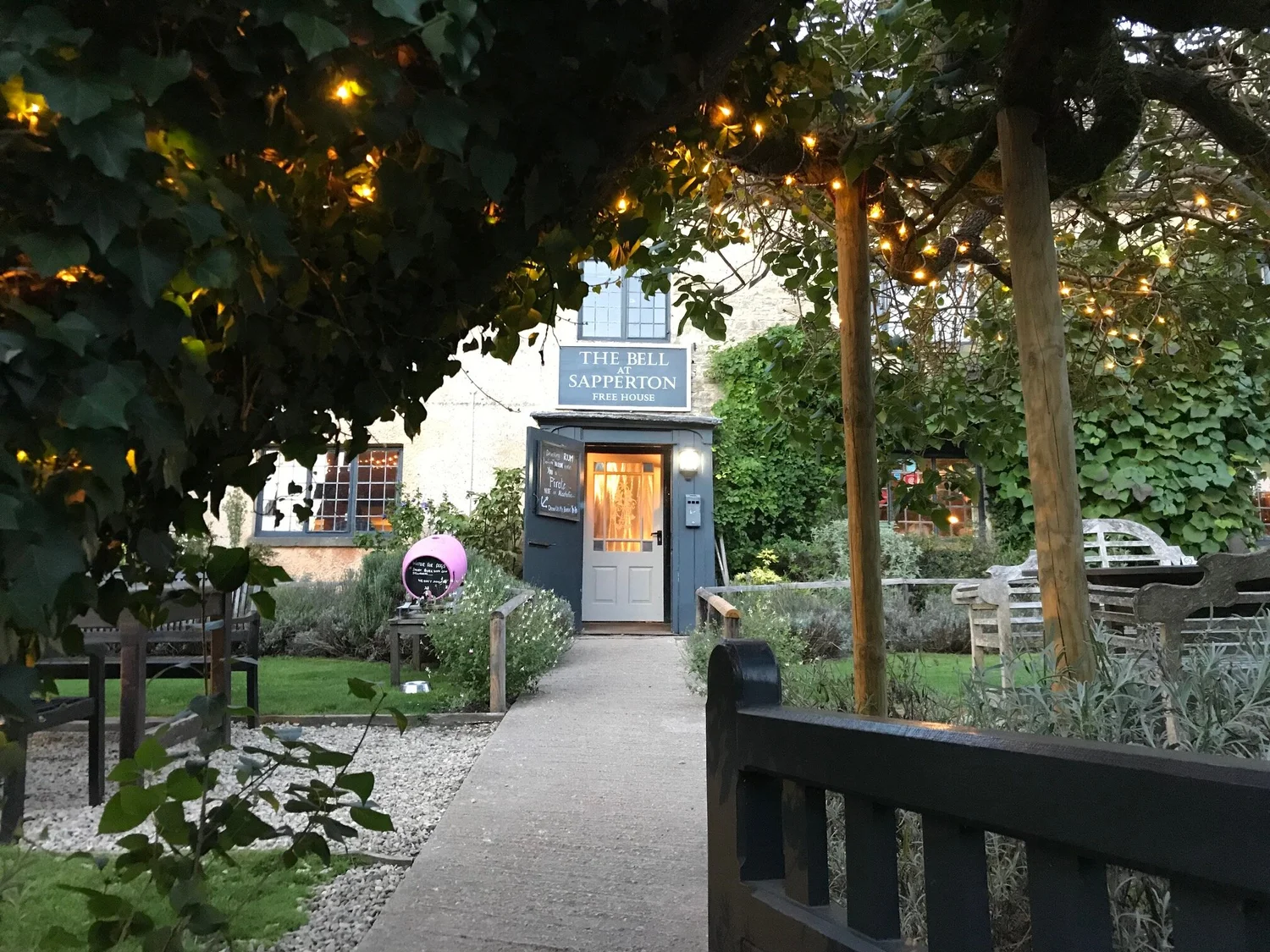
An independently owned former butcher's shop in Stow-on-the-Wold, known for its buzzing atmosphere and a menu built around nose-to-tail cooking and fresh seafood.
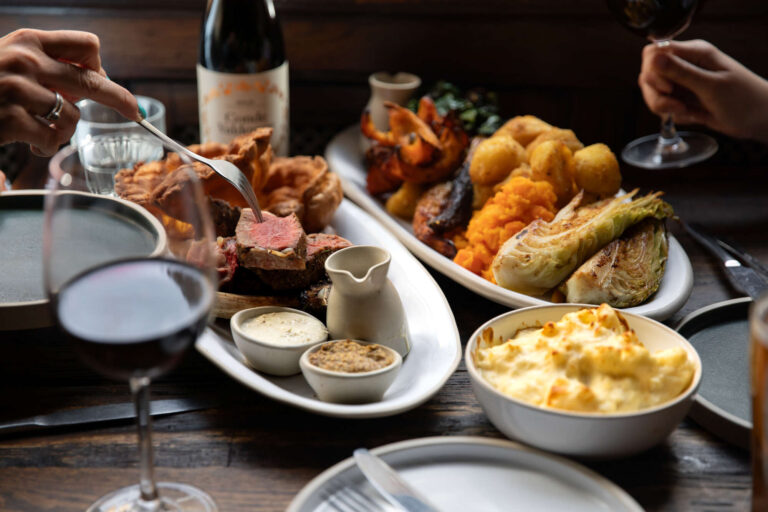
An old coaching inn in Northleach with an ivy-draped facade and tiered cottage gardens. Rustic British cooking is the focus, done with more care than the average village pub.
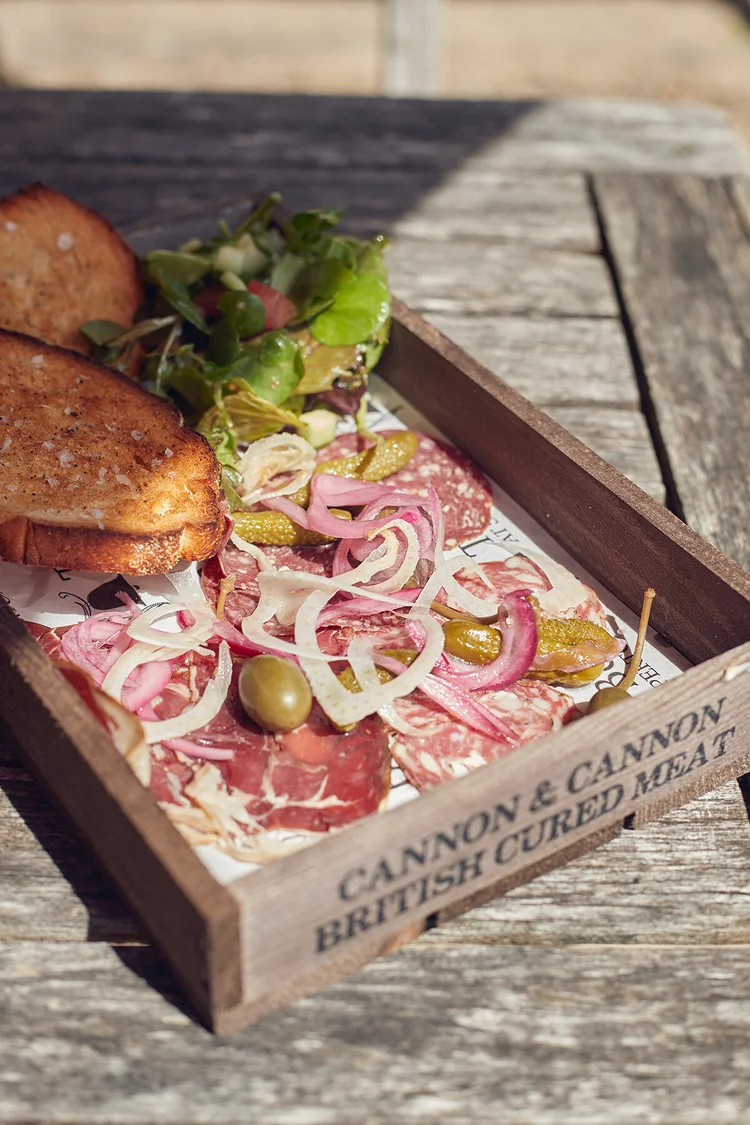
Tucked deep in a quiet valley near Cirencester, easy to miss if you don't know it's there. Seasonal cooking and a genuinely unusual wine wall set it apart from the standard country pub.
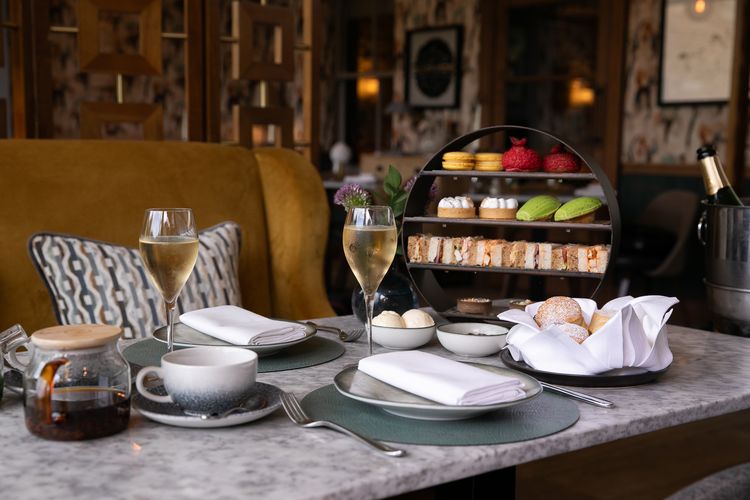
Afternoon tea with a theatrical touch: a macaron trolley wheeled to your table at the end of the service. A more stylish, less traditional take on the format than most Cotswolds hotels offer.

A relaxed, grazing-style afternoon tea inside a Palladian mansion, with valley views stretching out below. Less formal than the classic tiered-stand tea, which suits some people better than others.
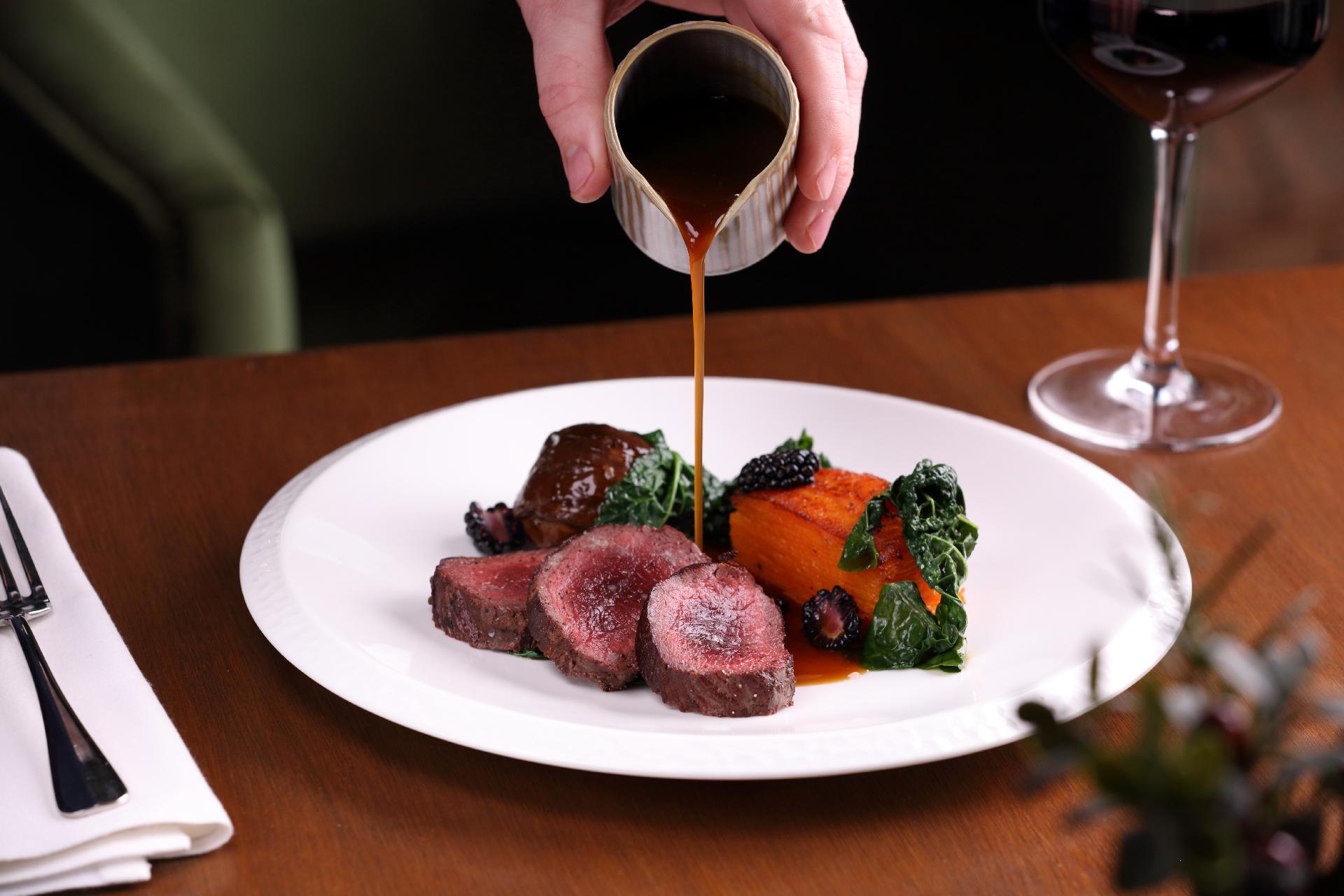
Bibury's most polished dining address. The walled garden feels secret even when it's full, and afternoon tea is the single busiest service, booked out weeks ahead most of the year.
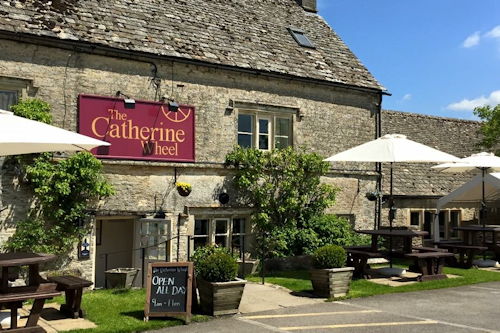
A 15th-century pub a short walk uphill from Arlington Row, family-run since 2009. Locally sourced pub classics, a fire in winter, a garden in summer, and its own car park, which is rarer than it sounds in Bibury.
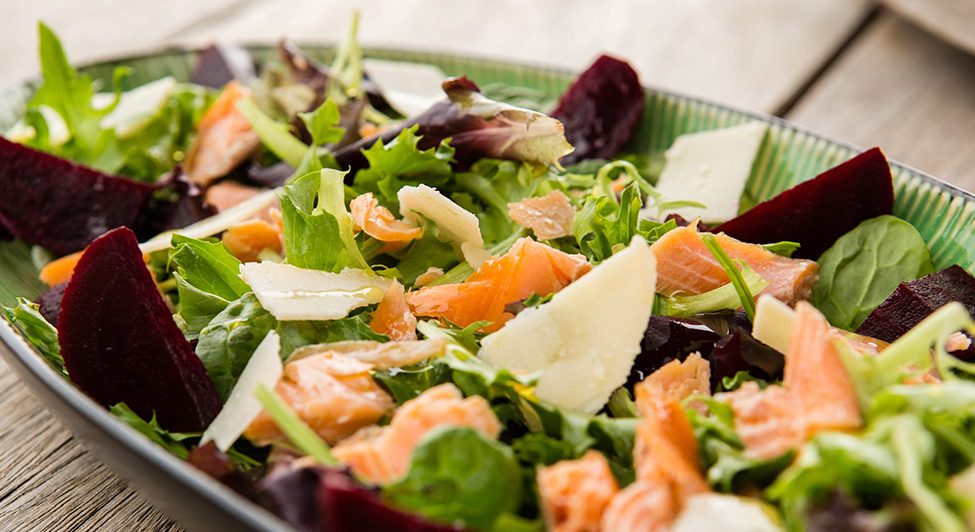
The café at Bibury Trout Farm, England's oldest working trout farm since 1902. Simple food, trout naturally included, eaten outdoors among the ponds. More a stop between fish-feeding and crazy golf than a destination meal.
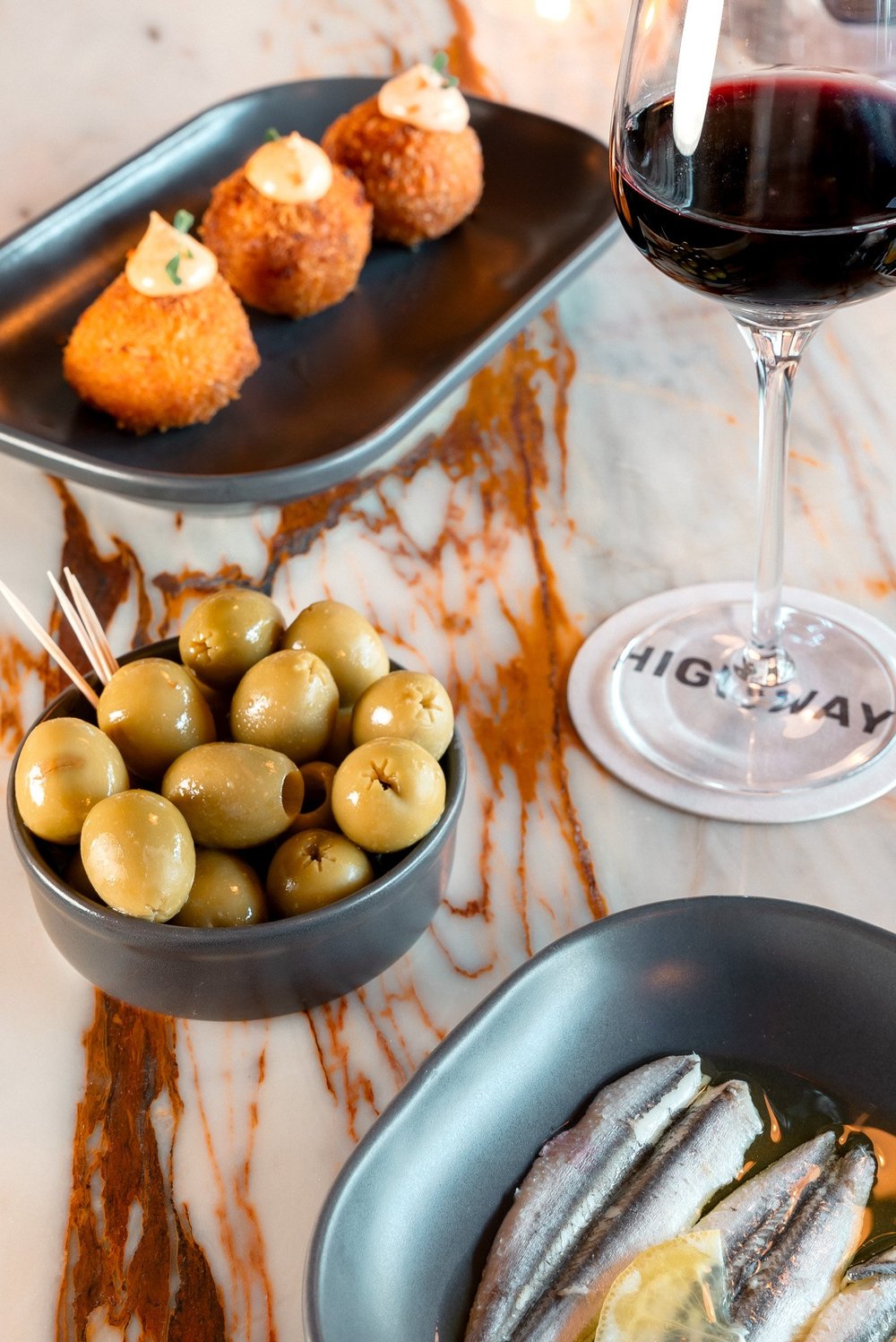
A 15th-century coaching inn on Burford's High Street with an unexpected Spanish twist. Toro, its tapas restaurant, does sharing plates rather than the pub food you'd expect. Book ahead for dinner, it's popular with locals too.

An Indian restaurant on Burford High Street with a loyal following, biryani and jalfrezi are what people come back for. Spread over two floors; there's no ground-floor toilet, worth knowing if mobility is a factor.

An Australian-style café with sourdough melts and proper coffee, part of a small local group with its own bakery on the Hatherop estate. Seating is tight and it gets busy, more a stop than a lingering breakfast.

A bakery and tearoom on Burford High Street since 1890, in a listed building with original beams. Cream tea is the reason to come, alongside the traditional lardy cake, an old-fashioned treat that's increasingly hard to find.

Run by the King family since 2011, tucked just off the High Street rather than on it, which catches out a fair few first-time visitors circling the main drag. Multiple Cotswold Pub of the Year wins over the years rather than a one-off award to hang the reputation on. Ask for the walled garden in summer if the log fire inside isn't your thing.
Two AA Rosettes for a menu that goes further than the average village pub, seasonal and modern British rather than straightforward pub grub. This is a village that's hosted more than a few film crews over the years.
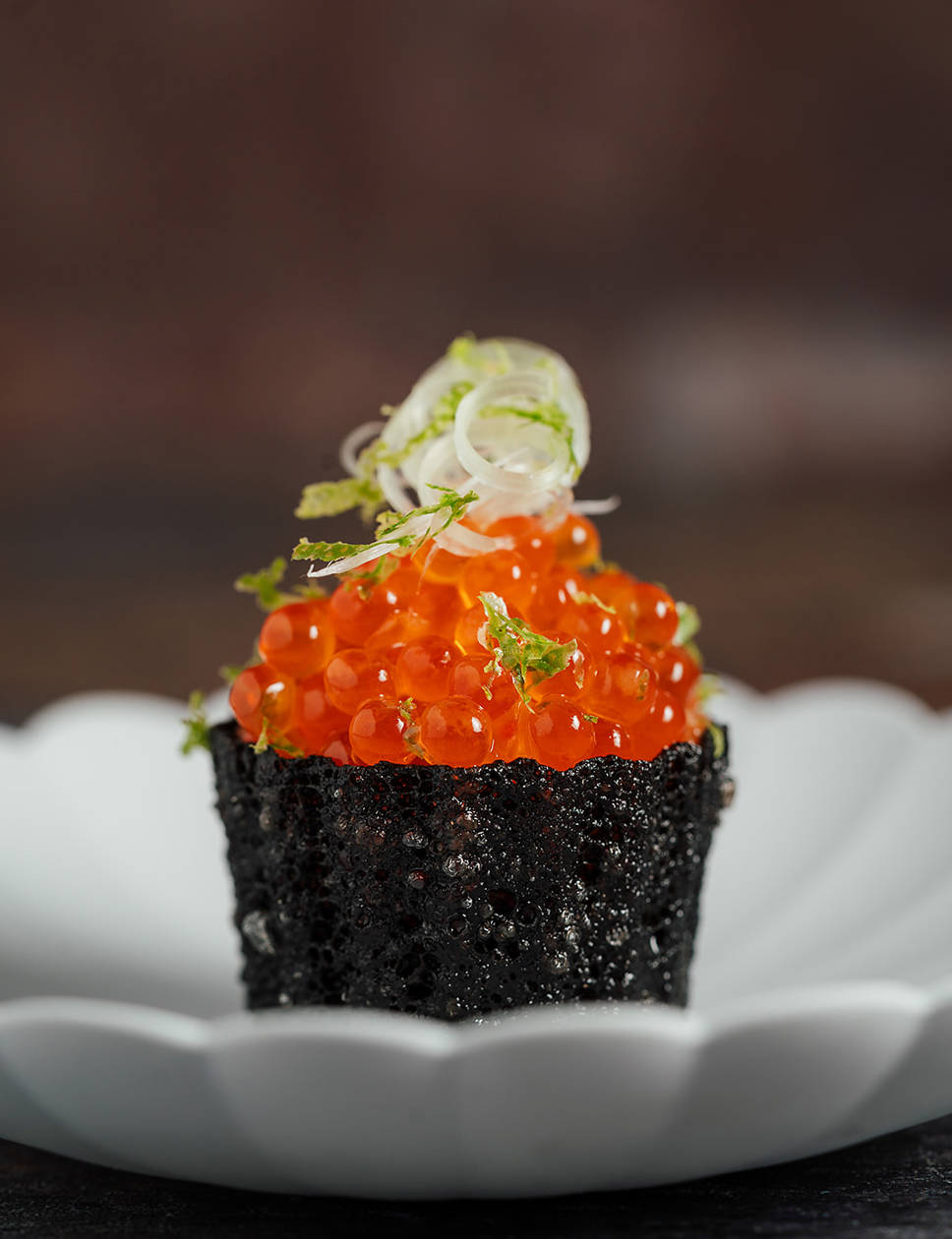
The Manor House's Michelin-starred restaurant, adults-only for dinner (12 and up), so if you've got younger kids this isn't the meal to plan around unless you're eating in one of the hotel's other spaces instead. Executive chef Robert Potter's tasting menu draws heavily on the hotel's own kitchen garden, which shows up as a genuinely seasonal menu rather than one that just says it is.
A short drive from Castle Combe at The Gibb crossroads, not actually in the village itself, which keeps it quieter than the pubs in the centre. Seasonal, locally sourced food, and a strong reputation for its Sunday roast.
Tucked down an alley off the main street and easy to miss, look for the small sign. Run by Philippa and Yasmin, with a log burner, local art on the walls, and a warm welcome for muddy boots and dogs.
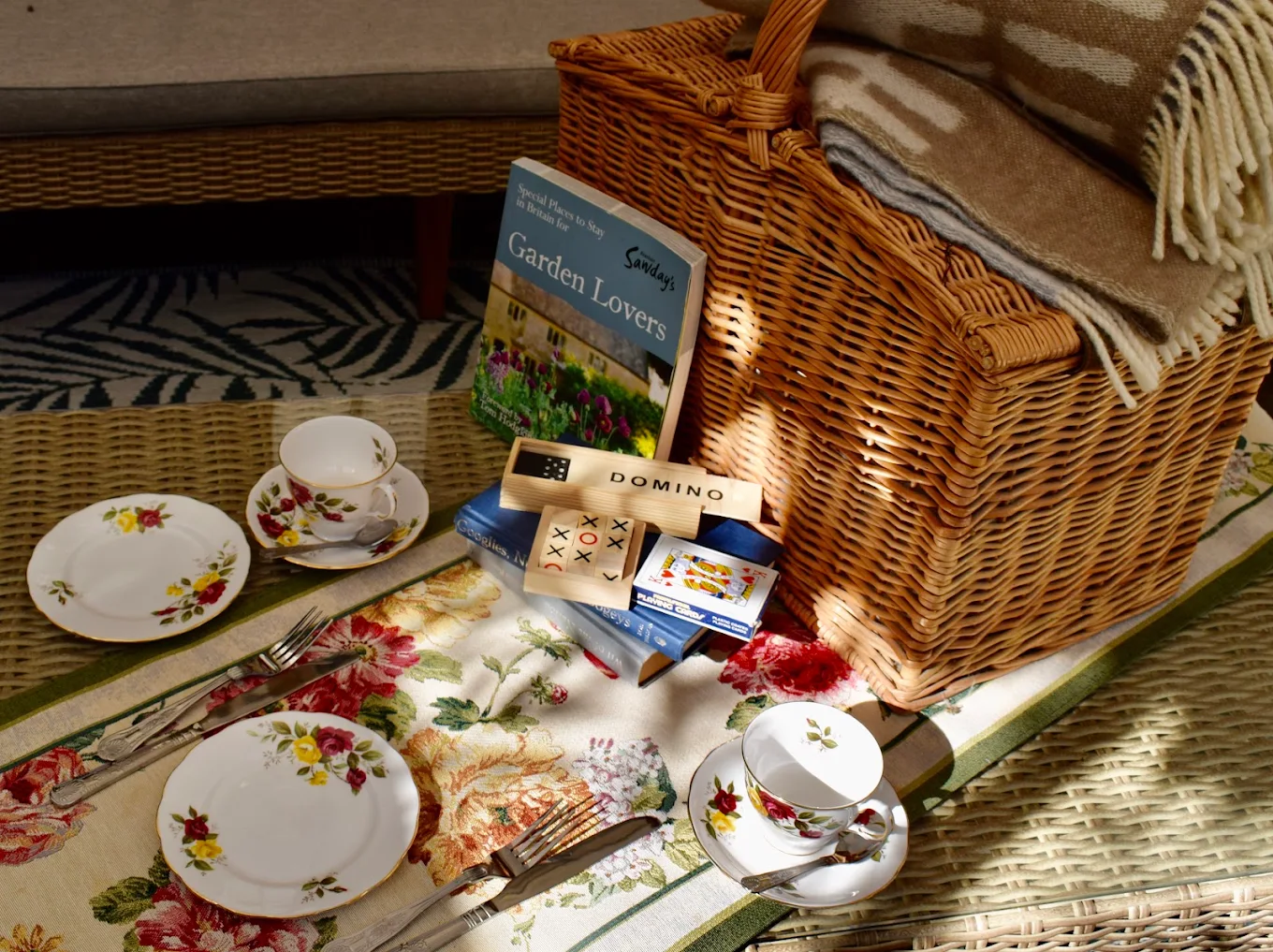
Not a café you can walk into, this is a pre-order picnic box service run by Anna, with hampers that come complete with china, blankets, and games. Order ahead; it sells out on busy weekends.

The National Trust café at Snowshill Manor, serving jacket potatoes and pasties rather than anything ambitious. Useful for refuelling between the manor's eccentric collection and the garden. Dogs welcome outside, not inside the manor.
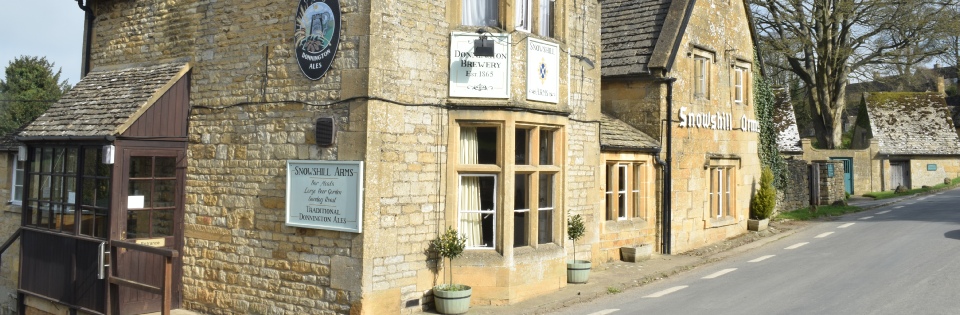
A 15th-century village pub serving Donnington ales alongside straightforward pub classics like Gloucester Old Spot sausages and mash. No TV, no music, just a log fire and a skittle alley round the back. Popular with walkers on the Cotswold Way, and it shows on Sundays, when tables go fast without a booking.

A seasonal cabin at the lavender fields selling lavender scones, ice cream, and drinks, nothing more substantial. Only open while the lavender blooms, roughly mid-June to early August, so check dates before building a trip around it.

Handmade burgers from two brothers who started the business mid-pandemic and took third place at the National Burger Awards in 2025. Thirty seats only, worth booking, and the dry-aged beef comes from the same butcher supplying several of the area's better restaurants.
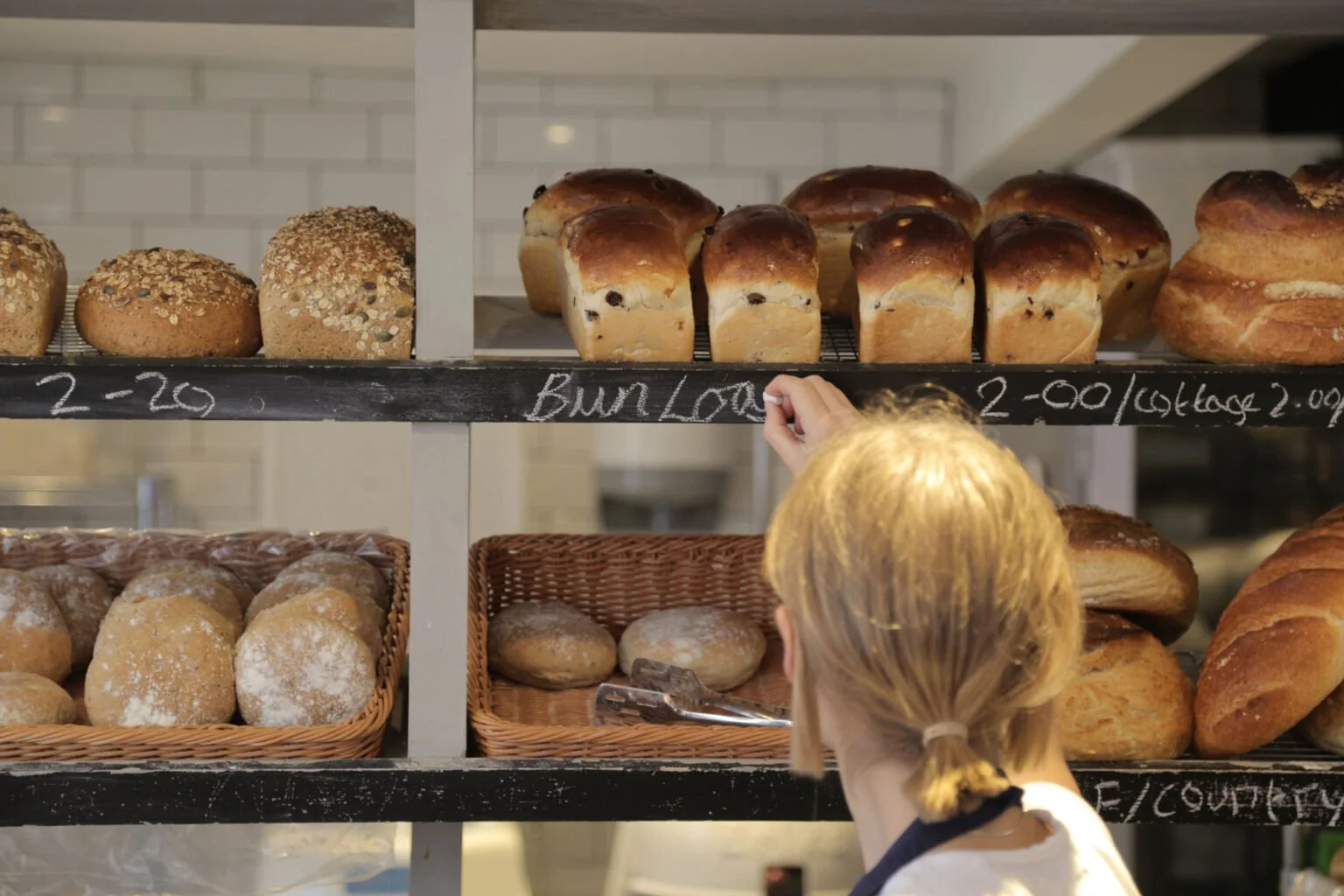
A family-run bakery right on the River Windrush, with a riverside terrace that's the real draw. Good pastries and a well-regarded quiche, though it gets busy fast and queues build through the middle of the day.
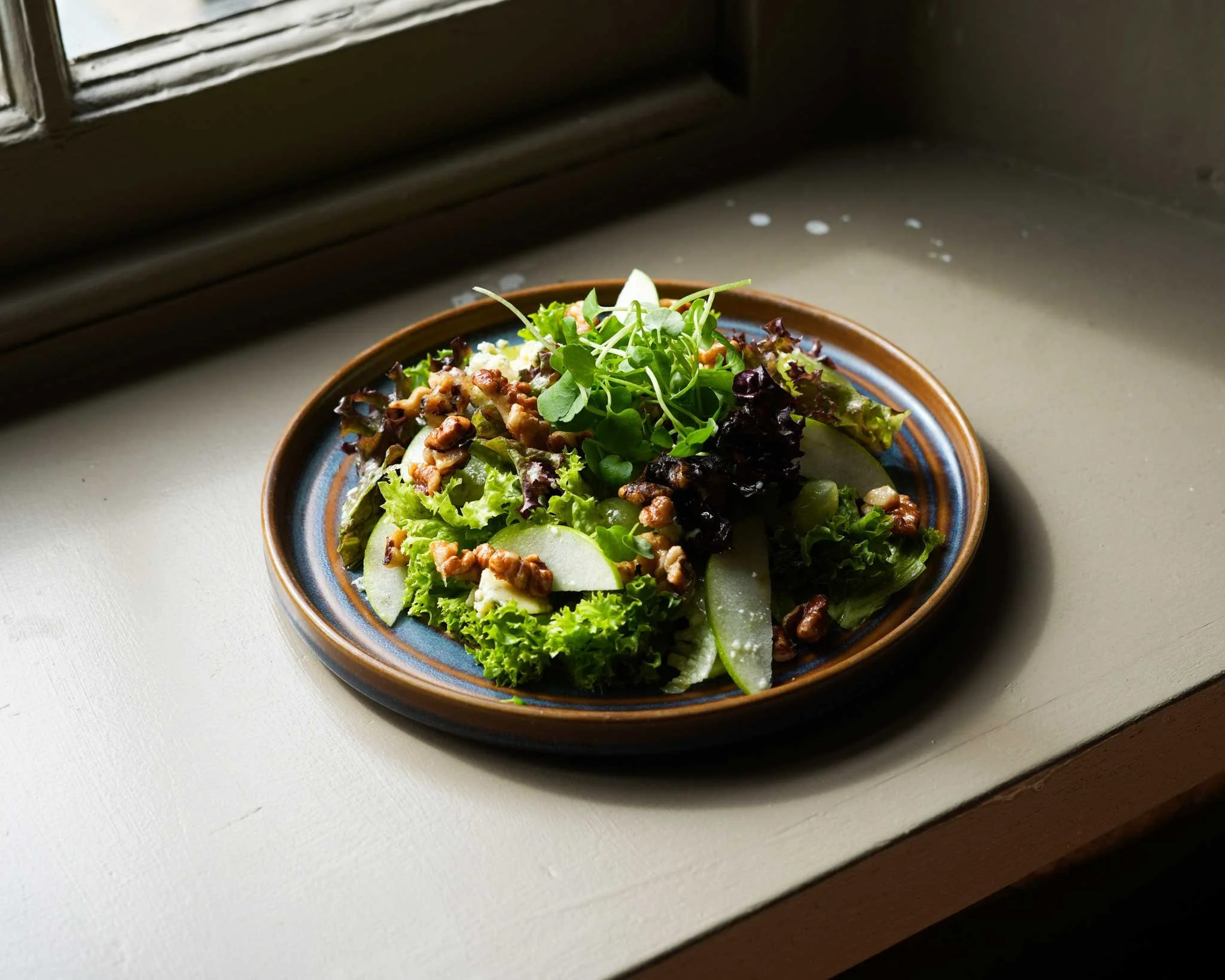
A 19th-century freehouse at the quieter end of Bourton, away from the crush around the river. Craft ales on tap, a proper Sunday roast, and 11 rooms upstairs if you want to stay. Parking is tight, budget extra time.
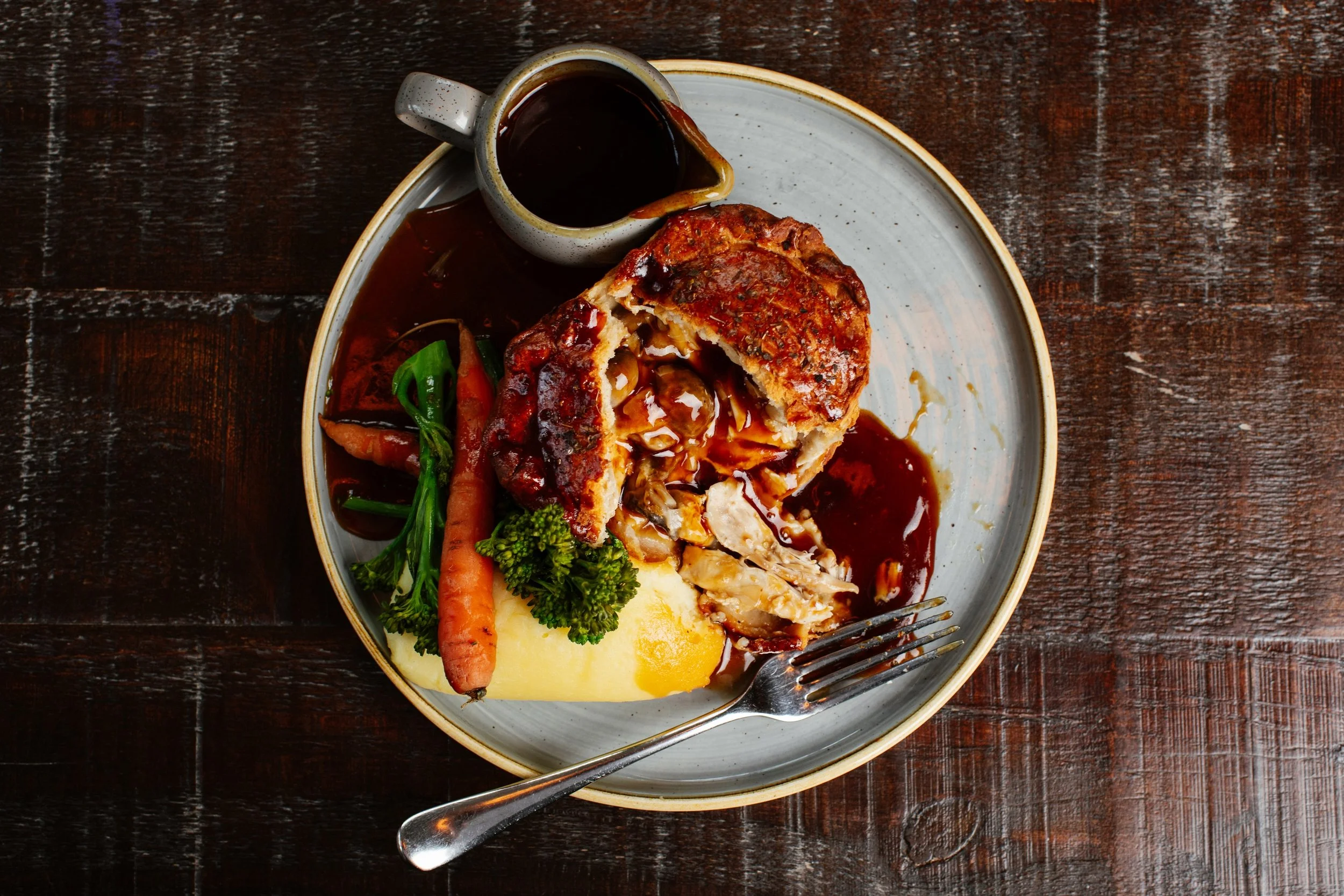
The kitchen leans on classic pub dishes rather than trying to reinvent itself, and Sundays mean the set lunch menu only, nothing else. If you're staying at the inn you get 10% off here, which is a reason to eat in rather than walk to one of the busier spots on the main street.
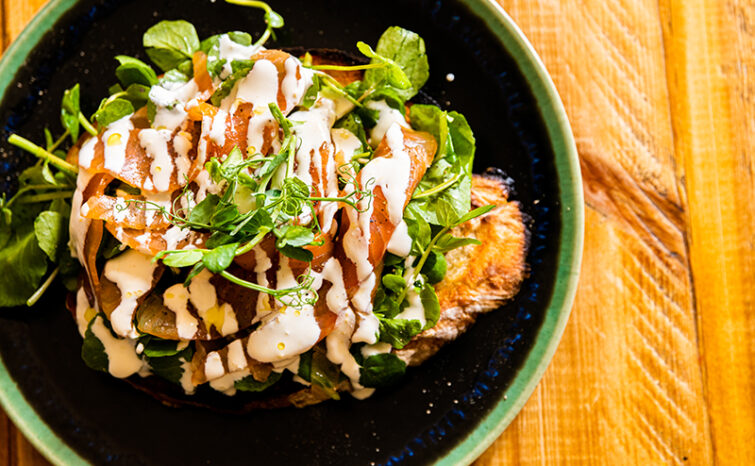
Fine dining in the centre of Bourton, with Maxi's Tipi Lounge next door for something more casual. Reviews on the food are consistently strong; service has been described as correct rather than warm, so opinions split there.
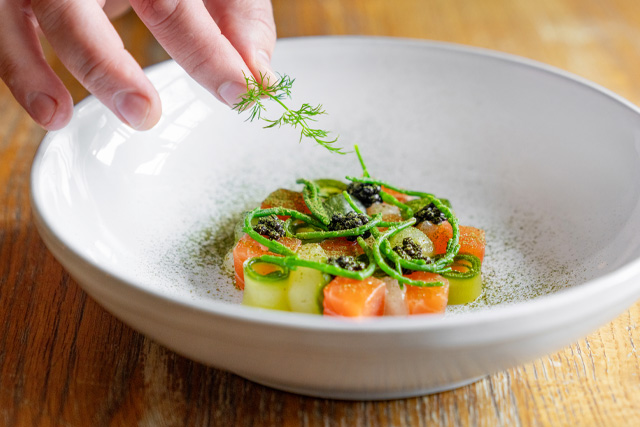
A 2 AA Rosette restaurant inside a refurbished 17th-century coaching inn on the market square, with head chef Ian Percival running a seasonal British menu. There's a terraced garden for al fresco dining when the weather allows, plus a private dining room for small groups. This is the fine-dining option in Stow rather than a pub lunch, worth booking ahead for dinner especially at weekends.
Run by the Robinson family for over two decades in a former butcher's shop, now Michelin Guide listed. The menu leans heavily on seafood (oysters, scallops, Dover sole) alongside a charcoal grill for meat, split across shellfish, small plates, raw and grilled sections. Portions are generous despite some older reviews suggesting otherwise. Not the cheapest table in Stow, and it gets busy, so book ahead.
A family-owned bakery and tea room chain that started in Burford in 1890, now with several branches across the Cotswolds including this one on Stow's market square. Worth knowing it's not a one-off independent, though the scones, cakes and afternoon tea are baked fresh daily on-site. Good option for a straightforward brunch or afternoon tea without the wait some of Stow's other cafes get in peak season.

One of the smallest commercial coffee roasteries in the UK, roasting on-site since 2010 and supplying mostly local cafes and restaurants within a 20-mile radius. This is a takeaway espresso bar, not a cafe: no food, no table service, just very fresh coffee and a small upstairs lounge if you want to sit with it for a few minutes. Good stop if you want something better than average without needing to sit down for a full cafe experience.

Steak and seafood grill in the former Gordon Russell furniture showroom on the High Street. The building is 16th century, the food is modern British, and the room is a decent place to spend an evening. Eight boutique bedrooms upstairs if you want to stay.
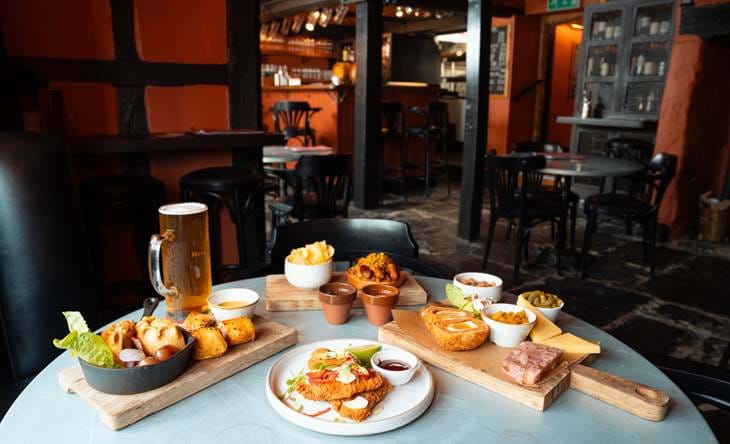
The more relaxed of the two James Martin venues at The Lygon Arms. Blackboard menu of small plates, local ales and ciders, open fire. Good option if you want something informal without leaving the High Street.

Traditional pub on the High Street with a good selection of ales and straightforward food. A reliable option if you want something unfussy in the centre of the village.

Village pub with a relaxed atmosphere, good for a drink after a walk or a straightforward lunch without the formality of the High Street restaurants.